Monet on the Normandy Coast. The Discovery of Étretat
19 Mar 2026–5 July 2026
Exhibition Annex
Press Preview: Tuesday, 17 March 2026, 11.00 am

Press texts
Press release
Monet on the Normandy Coast.The Discovery of Étretat
19 MARCH – 5 JULY 2026
Exhibition Annex
Press Preview: Tuesday, 17 March 2026, 11.00 am
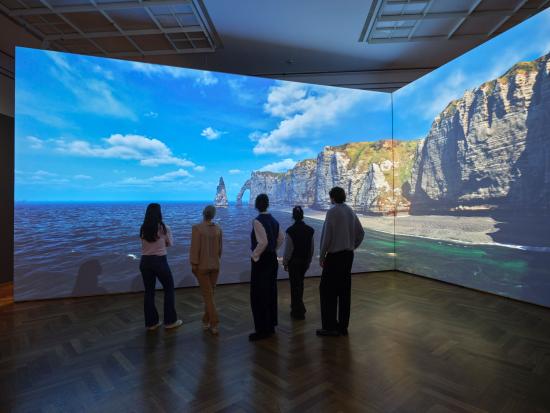
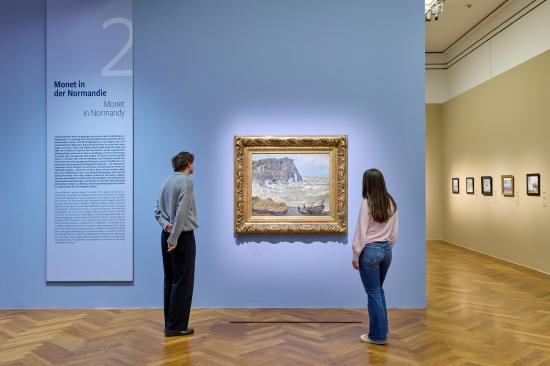
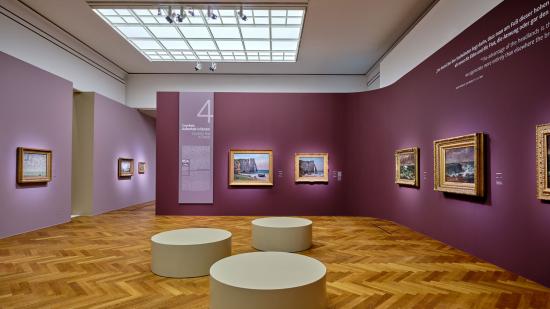
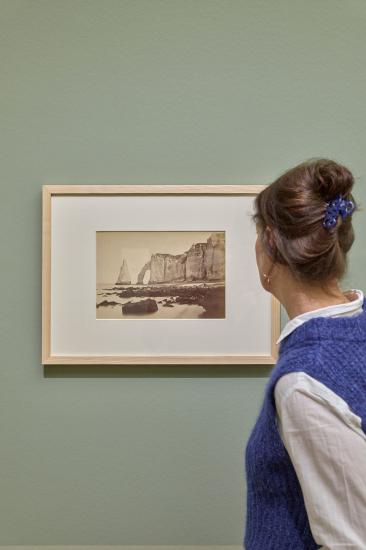
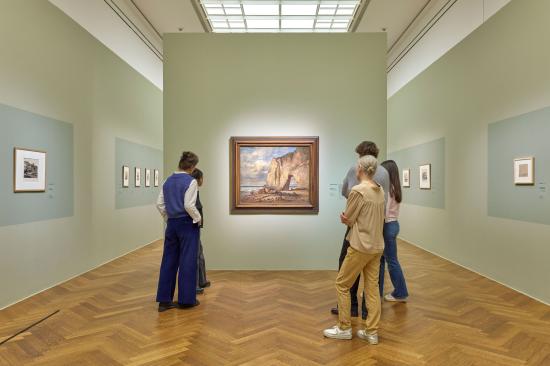
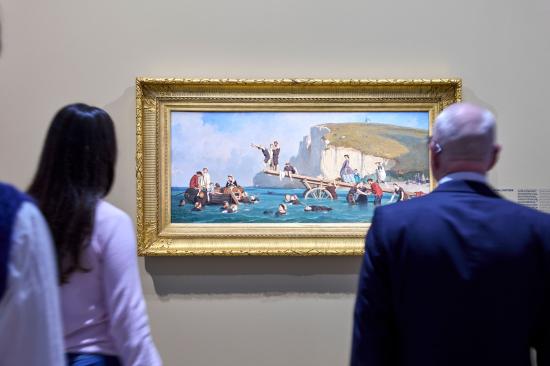
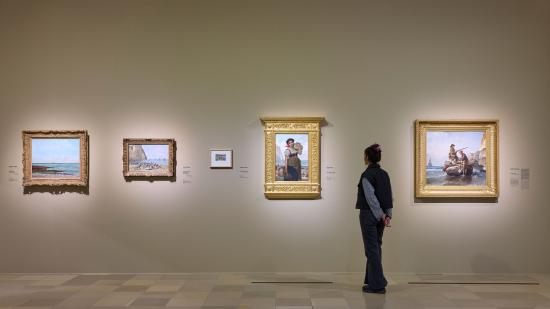
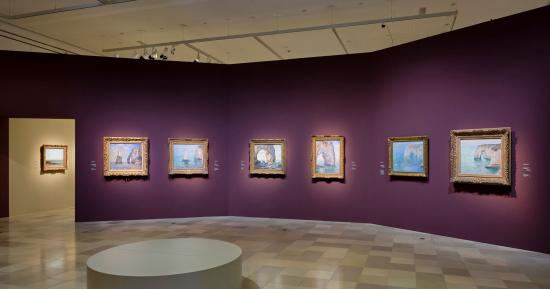
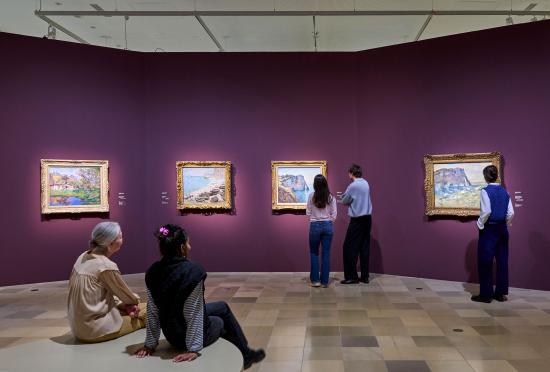
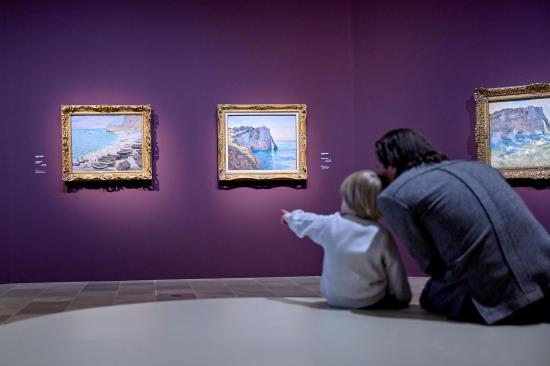
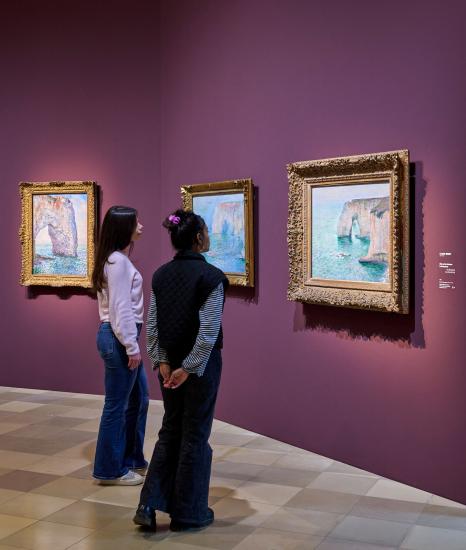
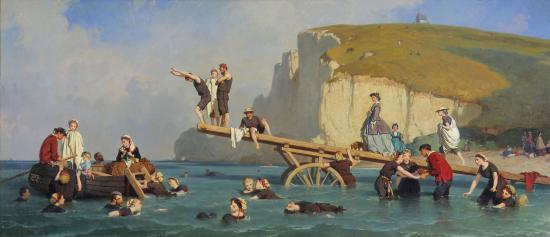
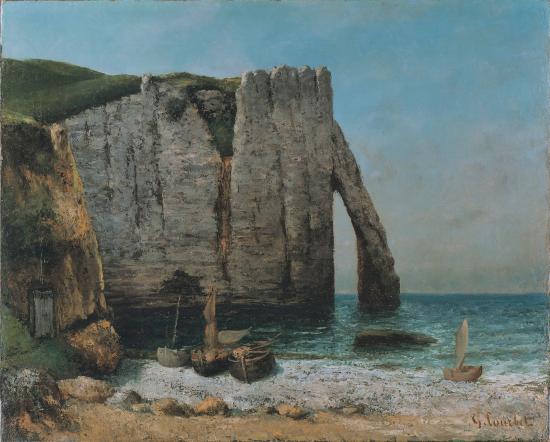
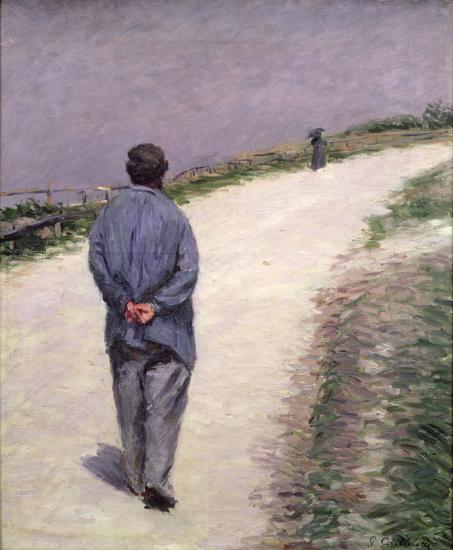
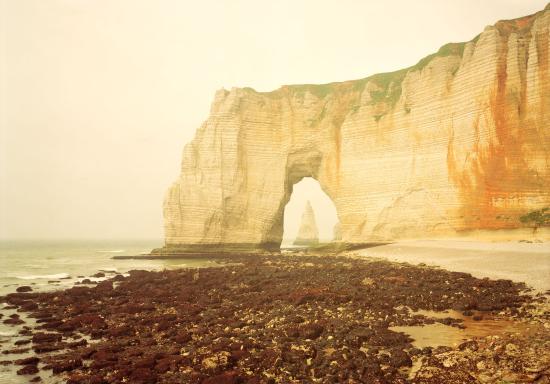
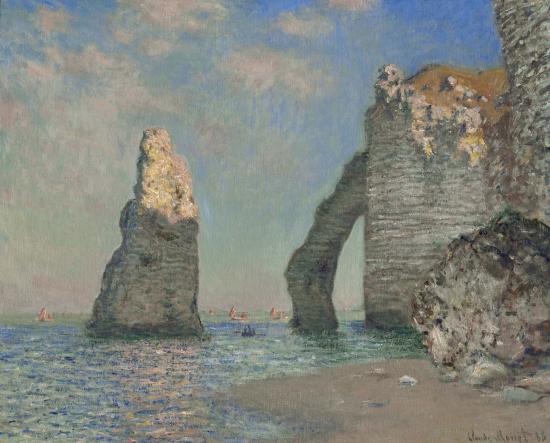
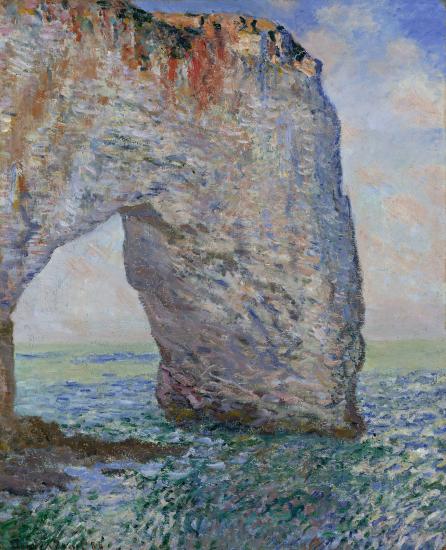
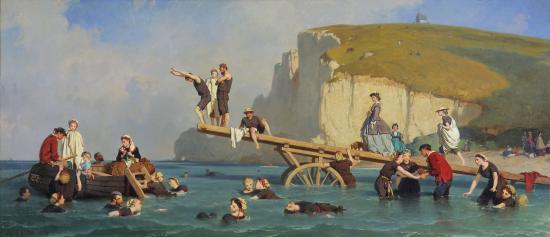
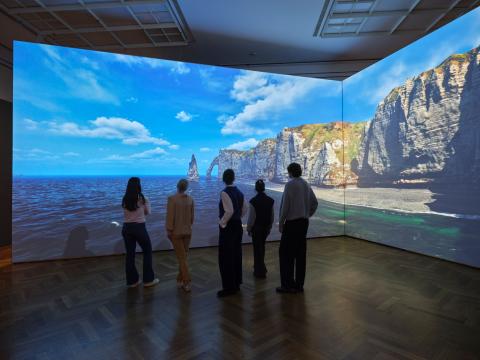
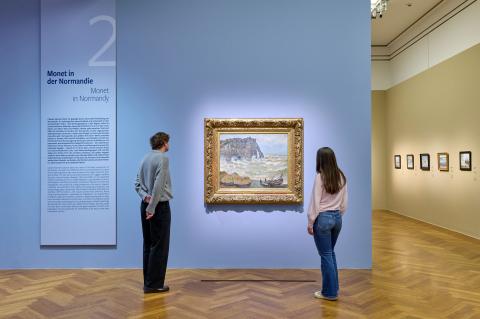
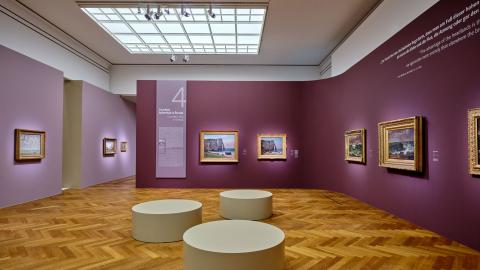
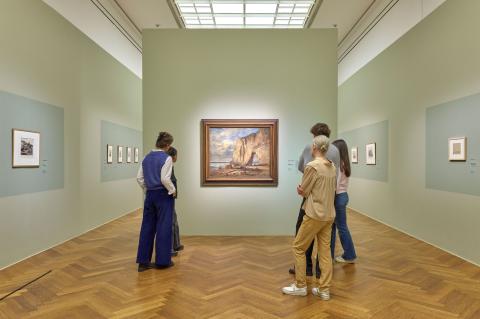
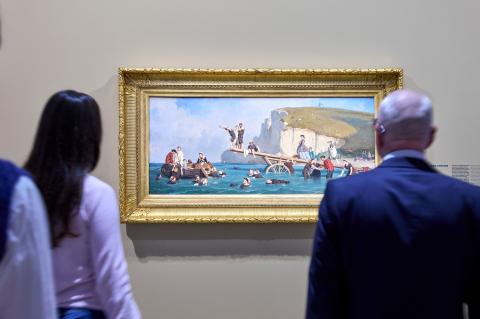
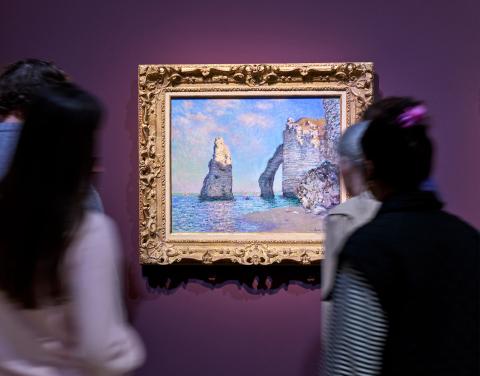
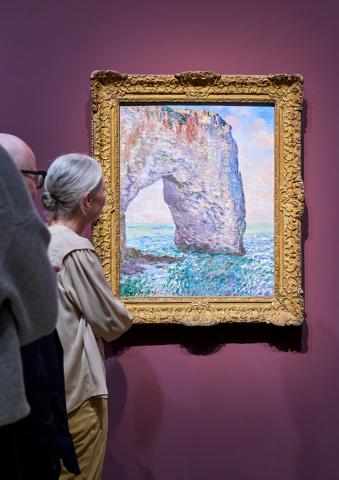
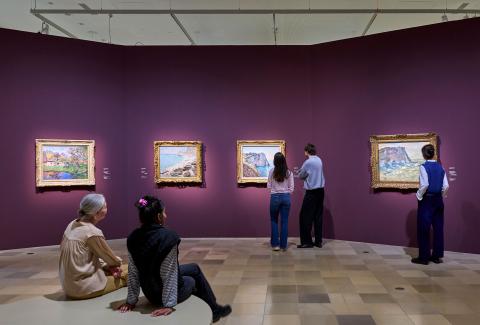
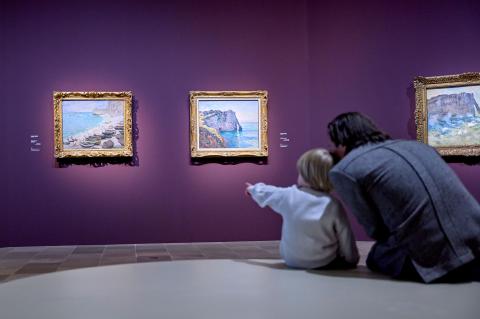
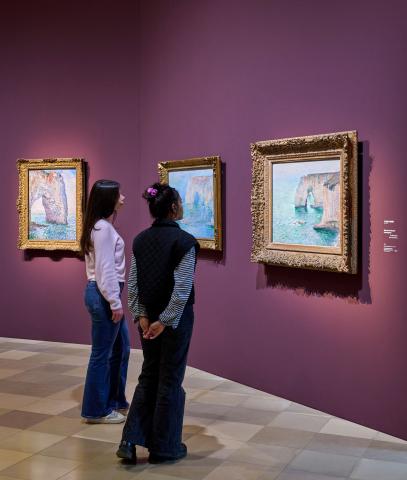
The coastal town of Étretat has become a myth—and continues to fascinate to this day. The cliffs of Étretat, located in Normandy on the Atlantic coast, captivated numerous artists in the 19th century. From 19 March to 5 July 2026, the Städel Museum will present a major exhibition dedicated to the artistic discovery of the former fishing village of Étretat and its influence on modern painting. Around 170 exceptional paintings, drawings, photographs and historical documents on loan from leading French, German and other international museums as well as several private collections will be on display in Frankfurt. Among them are no fewer than twenty-four works by Claude Monet.
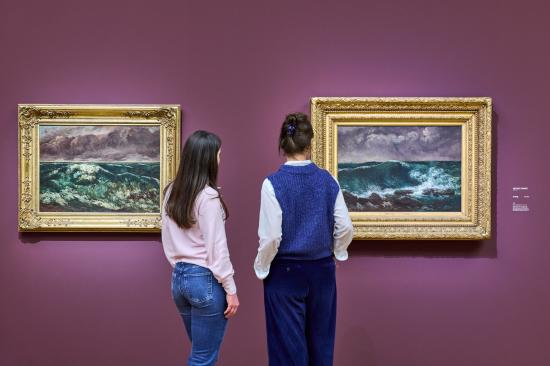
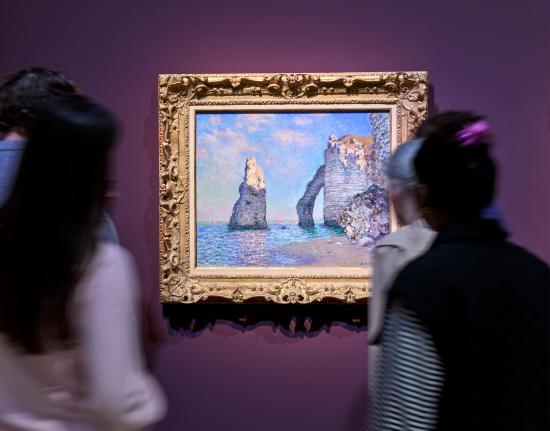
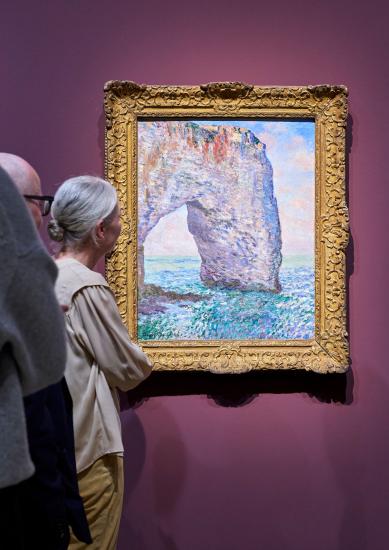
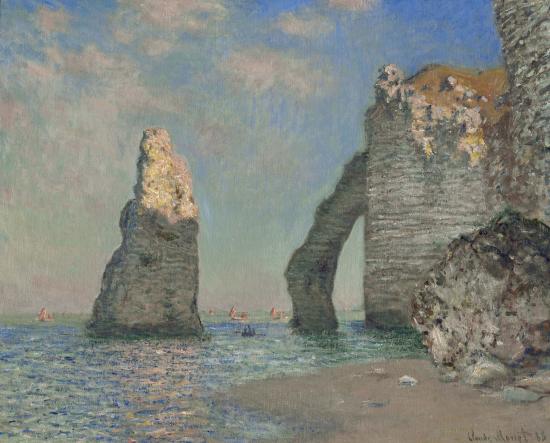
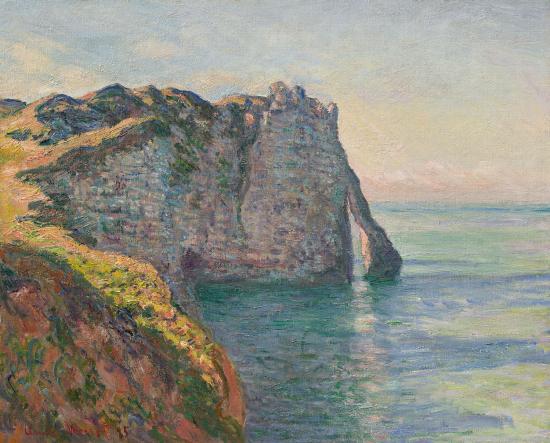
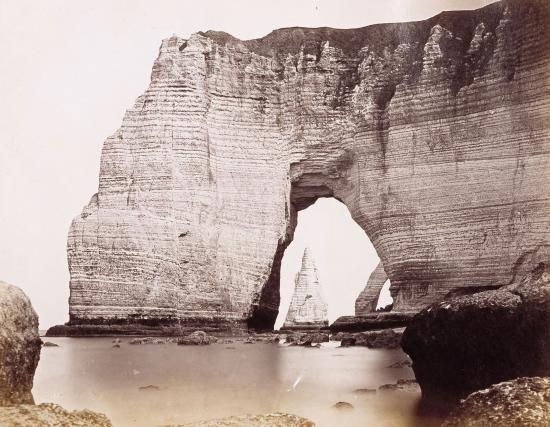
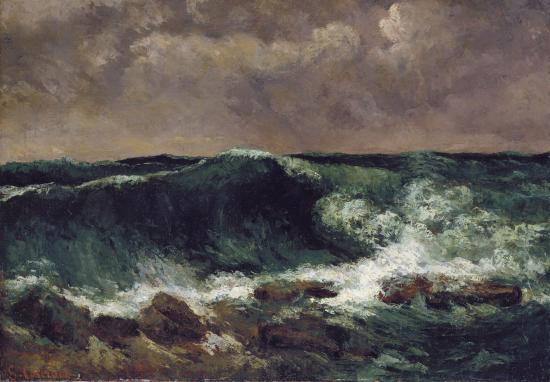
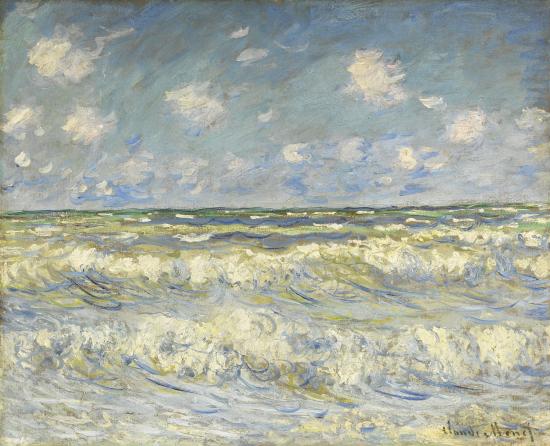
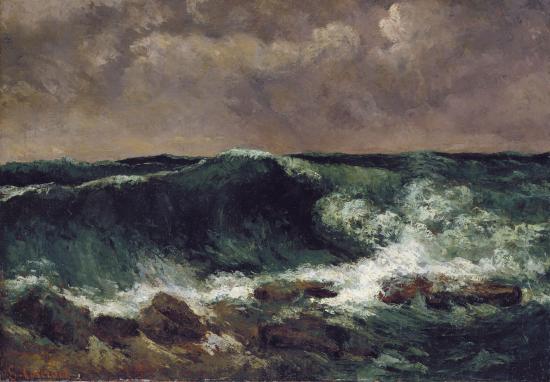
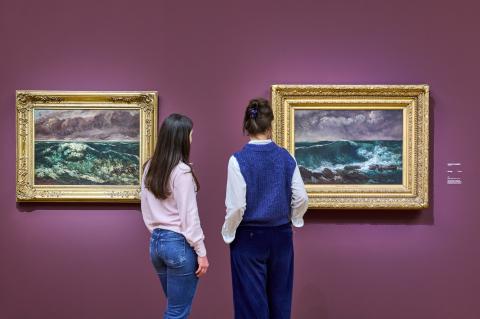
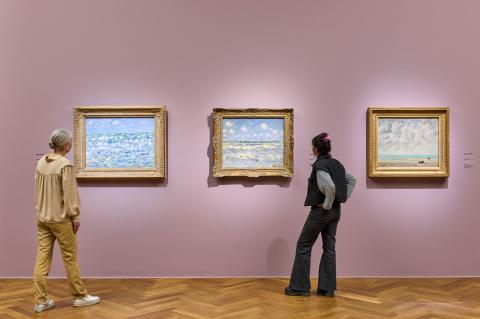
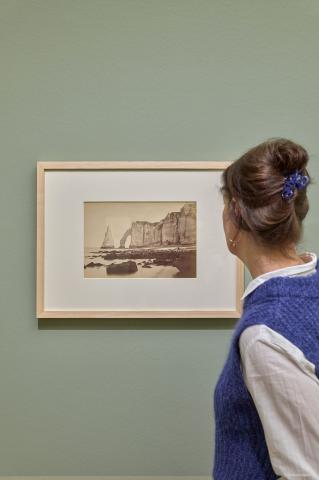
Étretat played an important role in the emergence of a new style of painting that went down in art history as Impressionism. The artists were particularly interested in the distinctive cliff landscape, which they found both excitingly beautiful and threatening. Painters and writers travelled to Étretat, and it was through their works that this remote place became famous beyond France’s borders. Following an increase in tourism around 1850, Étretat developed into a popular seaside resort and meeting place for artists, intellectuals and the Parisian bourgeoisie. Gustave Courbet painted his famous wave pictures here; Guy de Maupassant elevated Étretat to a place of longing in his writing; and Maurice Leblanc’s fictional gentleman thief, Arsène Lupin, hoarded his treasures here. The aspiring painter Claude Monet was so fascinated by the unique cliffs and their three rock arches—the Porte d’Amont, the Porte d’Aval and the Manneporte—that he dedicated several paintings to them. Impressed by the ever-changing light and weather conditions, Monet began painting series of motifs in Étretat for the first time, a working method that would later become his trademark.
In addition to works by Eugène Delacroix, Gustave Courbet, Claude Monet and Henri Matisse, the exhibition brings together a host of other important figures in modern and contemporary art, including Johann Wilhelm Schirmer and Eugène Le Poittevin, as well as Camille Corot, Eugène Boudin and Elger Esser. Together, the works illustrate the enduring fascination that this place continues to exert to this day. Loans come from the Staatliche Museen zu Berlin, the Fitzwilliam Museum in Cambridge, the Metropolitan Museum of Art in New York, the National Gallery of Canada in Ottawa and the Musée d’Orsay in Paris, among others.
Philipp Demandt, Director of the Städel Museum, emphasizes: “With our major special exhibition in spring 2026, we are for the first time dedicating ourselves to exploring the emergence of the myth of Étretat. This coastal town, with its striking rock formations and unique light, has been a source of fascination for artists since the 19th century, and continues to captivate to this day. It was in Étretat that Claude Monet developed his famous serial depiction of motifs, which had a decisive influence on Impressionism. We are particularly proud that two outstanding works from the Städel Collection, which were created in Étretat, form the starting point of the exhibition: Monet’s Luncheon and Gustave Courbet’s The Wave. These are complemented by high-calibre international loans, including twenty-four works by Monet alone. We would like to express our sincere thanks to all lenders and our sponsors for their generous support. We look forward to exploring the enduring fascination of Étretat together with our visitors.”
“In the hundred years or so from Romanticism to Classical Modernism, the artistic view of the impressive coastal landscape around the small town of Étretat underwent multifaceted change. The spectrum ranges from atmospheric watercolour and oil studies to early photographs and Claude Monet’s famous paintings of the impressive cliffs. With its distinctive coastal landscape, Étretat was a magnet for artists of several generations. In collaboration with the Musée des Beaux-Arts de Lyon, it was a central concern of ours to place Courbet’s epoch-making wave paintings and Monet’s serial landscape paintings in a broader context and to highlight Étretat’s significance for modern art,” explain Alexander Eiling and Eva Mongi-Vollmer, curators of the exhibition at the Städel Museum.
Curators: Alexander Eiling (Head of Modern Art, Städel Museum), Eva Mongi-Vollmer (Curator, Städel Museum), Stéphane Paccoud (Conservateur en chef, Peintures et sculptures du XIXe siècle, Musée des Beaux-Arts de Lyon) and Isolde Pludermacher (Conservatrice générale peinture, Musée d’Orsay, Paris) in cooperation with Eva-Maria Höllerer (Curator, Städel Museum) and Nelly Janotka (Assistant Curator, Städel Museum)
Sponsored by: Fraport AG, Fontana Foundation, Städelscher Museums-Verein e.V., City of Frankfurt am Main – Department of Culture and Science
Marketing and Media Partners: Alnatura, Ströer Deutsche Städte Medien GmbH, Elisabethen Quelle, Frankfurter Allgemeine Zeitung, arte
You can find the full press release here as a PDF.

PRESS RELEASE
Exhibition Preview 2026 and Outlook 2027
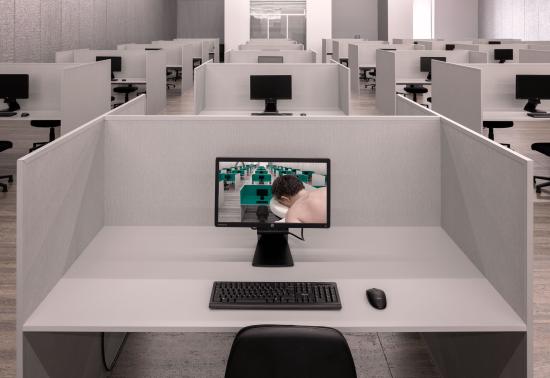
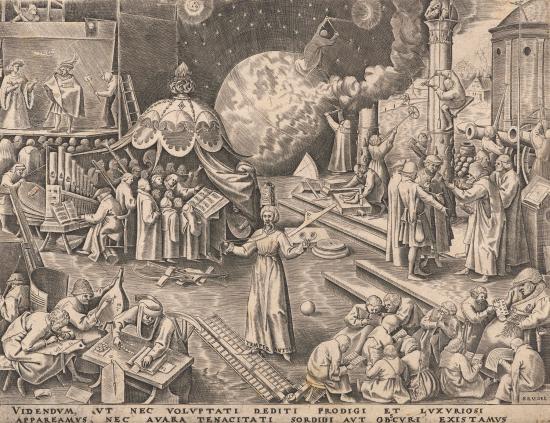
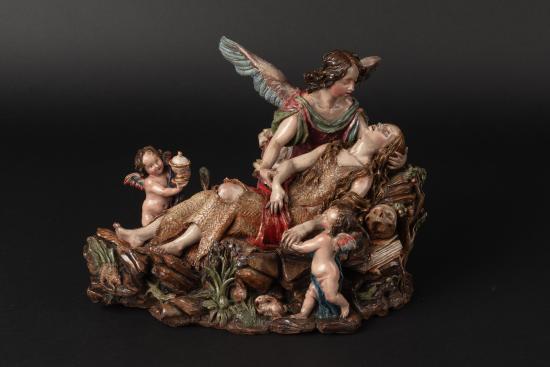
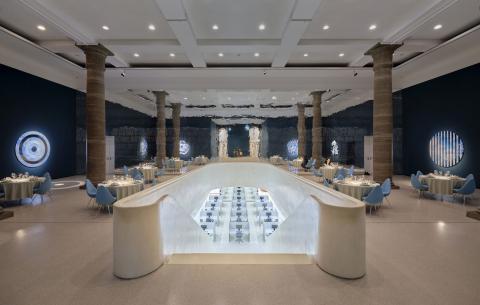
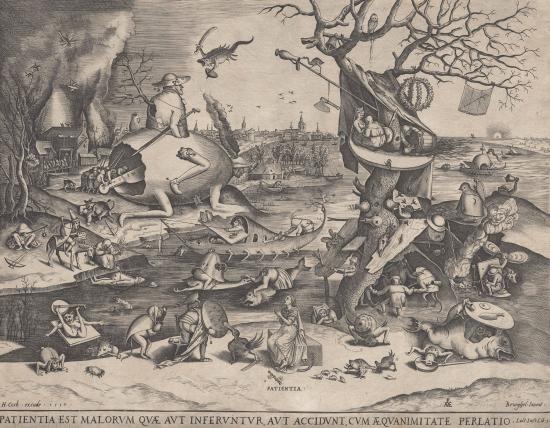
MONET ON THE NORMANDY COAST. THE DISCOVERY OF ÉTRETAT, BRUEGEL’S FANTASTIC WORLDS, NEW PERSPECTIVES WITH ELMGREEN & DRAGSET, SKIN IN ART ON PAPER, MAJOR EXHIBITION ON MARY MAGDALENE AND 2027 TO THE GARDEN OF PARADISE
You can find the full press release here as a PDF.
PRESS RELEASE
BECKMANN
3 December 2025 to 15 March 2026
Exhibition Hall of the Department of Prints and Drawings
Press Preview: Tuesday, 2 December 2025, 11.00 am
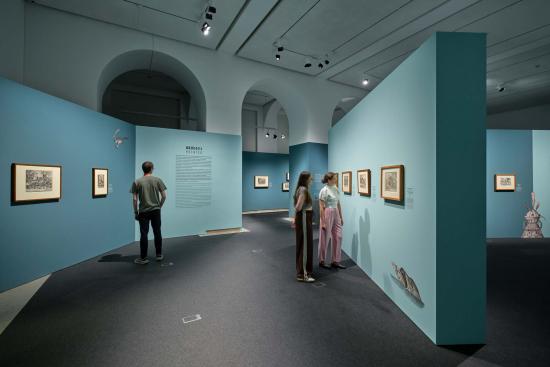
Max Beckmann created his work in a world marked by crises and upheavals, transforming his experiences of this into a visual language that remains fascinating to this day. The most intimate part of his oeuvre are his drawings: like a diary, they document his artistic development, serving as a medium for observation and for creating imagery. The Städel Museum is now putting these works centre stage and presenting some eighty pieces from all phases of his career—from little-known drawings to outstanding major works. They offer a direct and intense insight into the life and work of Max Beckmann (1884–1950), one of the most important artists of the modern era.
The Städel Museum holds one of the most outstanding Beckmann collections in the world and has been dedicated to collecting, researching and communicating his work for more than a century. In 2021, the museum received a remarkable addition to its holdings in the form of important permanent loans from the collection of Karin and Rüdiger Volhard. This, together with the publication of the three-volume catalogue raisonné of Max Beckmann’s black-and-white drawings by Hirmer Verlag—with which Hedda Finke and Stephan von Wiese have closed one of the last major gaps in research on Beckmann’s drawings—is the occasion for this retrospective exhibition.
The exhibition is based on drawings from the Städel Museum’s own collection, complemented by loans from renowned international museums and private collections, including The Museum of Modern Art in New York, the British Museum in London, the Art Institute of Chicago, the Kunstmuseum Basel, the Hamburger Kunsthalle, the Kupferstichkabinett – Staatliche Museen zu Berlin and the Museum der bildenden Künste Leipzig. Selected paintings and prints also provide insights into Beckmann’s working process and the interplay of different media.
Philipp Demandt, Director of the Städel Museum, on the exhibition: “Max Beckmann, the Städel Museum and the city of Frankfurt am Main have been closely linked for over a century. Despite the loss of almost all of the artist’s works in its holdings during the Nazi era, the museum now boasts a Beckmann collection of international standing. With the current exhibition, we are focusing specifically on Beckmann’s drawings for the first time in over forty years. They open up a fascinating cosmos of his work and make his artistic development immediately tangible—not least thanks to the outstanding collaboration with Hedda Finke and Stephan von Wiese, the editors of the three-volume catalogue raisonné of his drawings.”
The curators Regina Freyberger, Head of Prints and Drawings after 1800 at the Städel Museum, Hedda Finke and Stephan von Wiese, authors of the three-volume catalogue raisonné of Beckmann’s drawings, add: “The drawings are a key to Beckmann’s work. Through drawing, he developed his unmistakable visual language, captured what he saw and experienced, shaped his personal worldview and transformed fleeting impressions into multi-layered, meaningful compositions. In the course of his life, he produced more than 1,900 black-and-white drawings in pen, chalk or pencil, not bound in sketchbooks—ranging from quick sketches to autonomous images. The exhibition presents a concentrated and representative selection of these works, which—supplemented by individual colour works, prints and paintings—allow visitors to experience the intensity of Max Beckmann’s drawing.”
Curators: Hedda Finke and Stephan von Wiese (catalogue raisonné of Max Beckmann’s drawings), Regina Freyberger (Head of Prints and Drawings after 1800, Städel Museum)
Sponsored by: Adolf Würth GmbH & Co. KG, Dagmar-Westberg-Stiftung, Städelscher Museums-Verein e. V.
With additional support from: Franz Dieter und Michaela Kaldewei Kulturstiftung, Dr. Ina Petzschke-Lauermann
Media Partners: Frankfurter Rundschau, arte
Cultural Partner: hr2-kultur
You can find the full press release here as a PDF.
Wall texts "Beckmann"
PRESS RELEASE
ASTA GRÖTING. A WOLF, PRIMATES AND A BREATHING CURVE
5 SEPTEMBER 2025 TO 12 APRIL 2026
Collection of Contemporary Art
Press Preview: Friday, 5 September 2025, 9.30 am
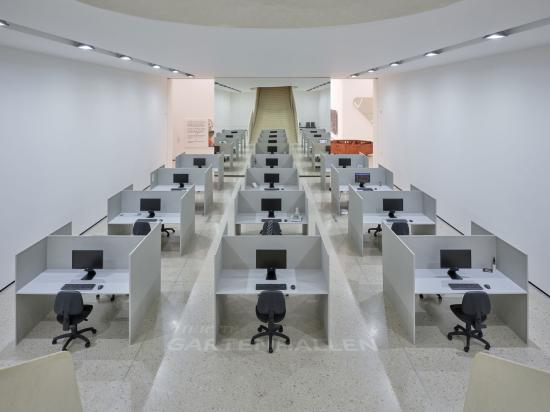
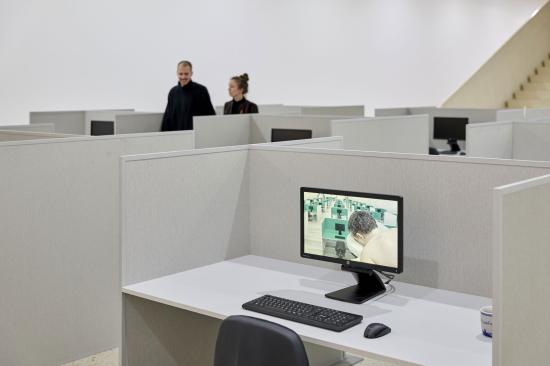
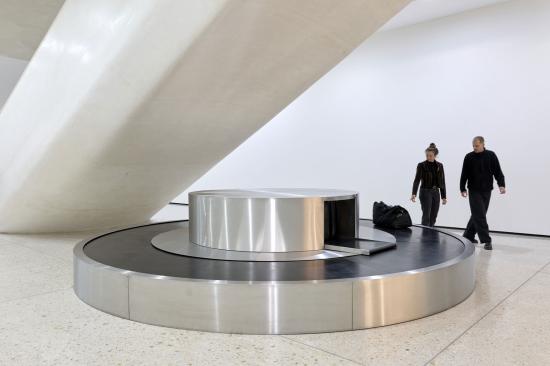
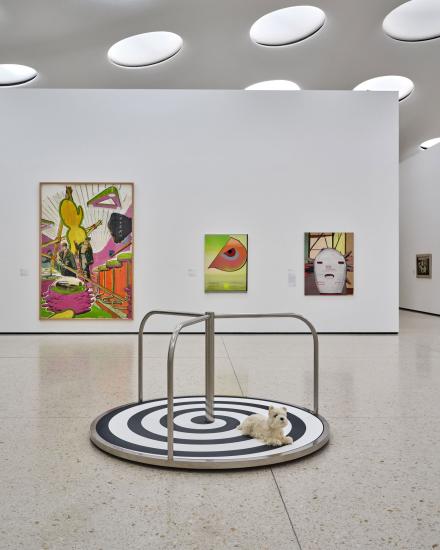
Intimate moments and closeness characterize the multifaceted work of the German artist Asta Gröting (b. 1961). Originally and still working as a sculptor, she has expanded her artistic practice to include film and video. She has been one of the most influential figures in contemporary German art since the 1990s. In her work, she renders the invisible visible by focusing on processes that often go unnoticed in everyday life, as well as on interpersonal relationships. From 5 September 2025 to 12 April 2026, the Städel Museum will present a solo exhibition of the artist’s work in its Collection of Contemporary Art, featuring eight works created between 2015 and 2025, including seven video works and one laser projection specially developed for the exhibition. This selection enables visitors to experience the fluid transitions between nature and culture, intimacy and distance, the familiar and the foreign. The videos capture or stage moments from Gröting’s own environment and human existence. Her deliberate manipulation of time lends the works a particular intensity. The films are more than visual representations of our environment: they open up contemplative spaces that encourage reflection on the intricacies of hidden relationships and their dynamics.
Through her work, Gröting shows how art can act as a medium for interpersonal connections by capturing intimate and intense encounters. Her sensitive translation of captivating moments into moving images invites viewers to explore the subtle, often hidden liminal states of existence, and experience the poetry of the moment anew. Highlights of the exhibition include the work Breathing Curve (2025), created especially for the exhibition, and the premiere of her latest video work, Matthias, Helge and Asta (2025), featuring Matthias Brandt, Helge Schneider and Asta Gröting herself as protagonists.
Philipp Demandt, Director of the Städel Museum: “Asta Gröting’s films reveal the visual poetry of our everyday lives through precise observation and give space to the hidden. The Städel has owned the sculptural work We, We, We, You, You, I (1994) by the artist since 2019. With this exhibition, we are deliberately placing an emphasis on the artist’s video art. Gröting’s work represents an artistic practice that addresses social and existential issues in a multilayered way. Her video art explores the boundaries between staging and everyday life by developing traditional narrative forms further. It thus ideally complements the profile of the Collection of Contemporary Art at the Städel Museum.”
“In her work, Asta Gröting focuses on things that often escape our attention, such as subtle gestures of everyday life, empty spaces and the relationships between humans and animals. The works on display are based on precise observations, in which the artist shifts meanings and condenses sensations. Gröting’s intense video works focus on the seemingly invisible, as well as on psychological processes, rendering them tangible for viewers. Her concentrated reflections question our communication, our environment, and our perception. Without providing clear answers, she creates an open space for personal feelings,” adds Svenja Grosser, Head of Contemporary Art at the Städel Museum and curator of the exhibition.
Curator: Svenja Grosser (Head of Contemporary Art, Städel Museum)
Project Manager: Gioia Mattner (Assistant Curator of Contemporary Art, Städel Museum)
Social Media
Social Networks
Films
-
-
13.02.2026: Get ready for this outstanding exhibition highlight in Frankfurt!
-
11.02.2026: Ab 19. März – Monets Küste. Die Entdeckung vom Étretat im Städel Museum
-
14.01.2026: 🎒 Carl Schuch on the road!
-
11.12.2025: Beckmann | Jetzt im STÄDEL
-
10.12.2025: Gastkommentar: Kunst und Bakterien
-
29.10.2025: Lasst uns reden – Städel Gespräche | Museum – ein Ort für Demokratie?
-
10.10.2025: Carl Schuch und Frankreich | Jetzt im STÄDEL
-
19.09.2025: Lasst uns reden – Städel Gespräche | Die Macht der Bilder
-
18.09.2025: Art meets science! 🖼️🌊
-
16.09.2025: Was bewegt Asta Gröting?
-