Press release
Monet on the Normandy Coast. The Discovery of Étretat
19 MARCH – 5 JULY 2026
Exhibition Annex
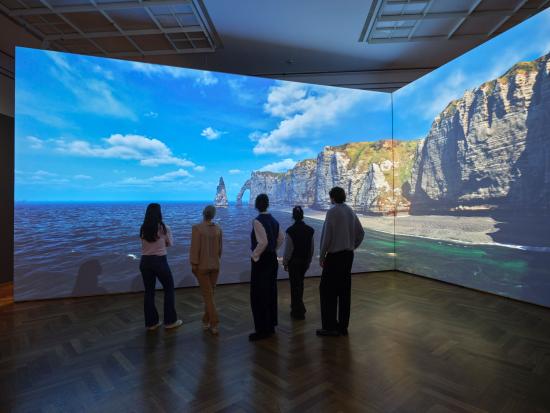
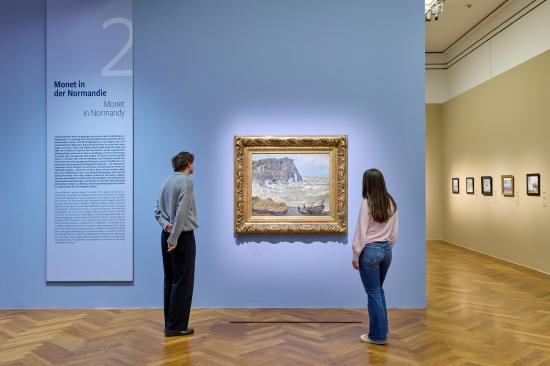
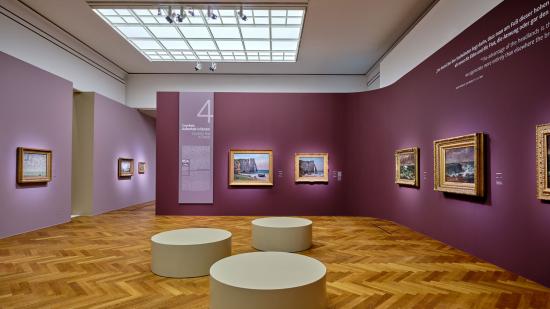
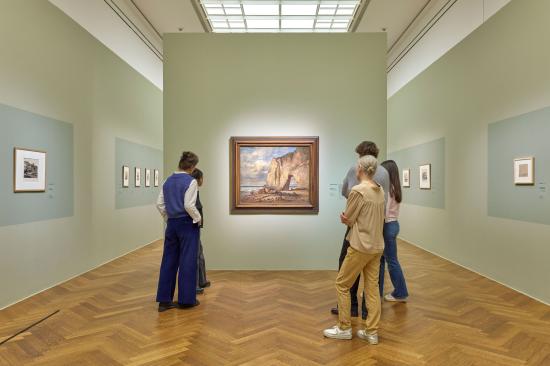
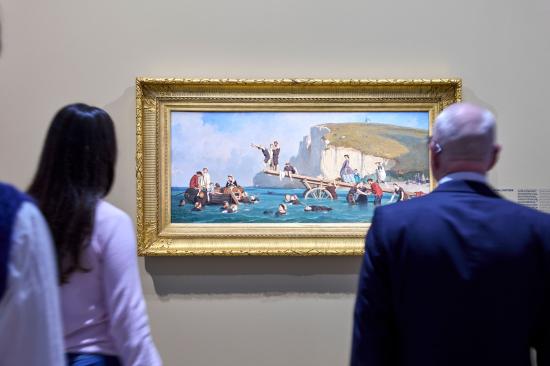
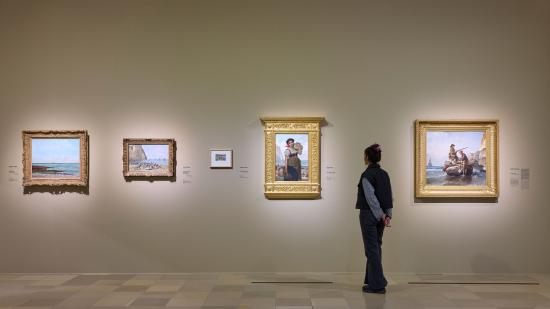
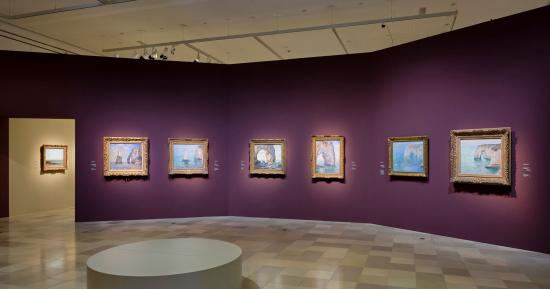
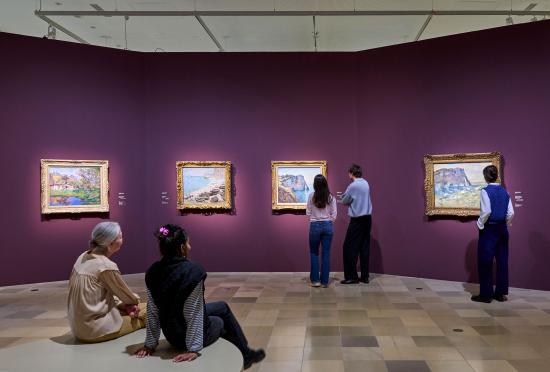
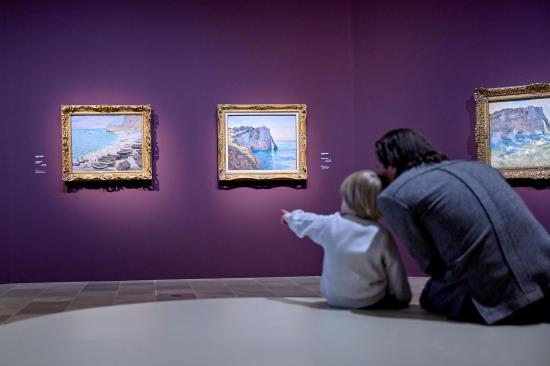
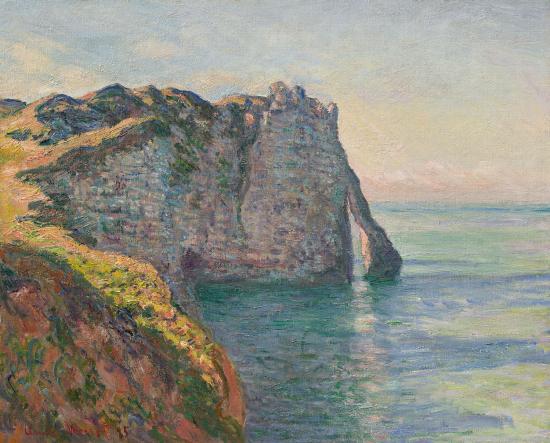
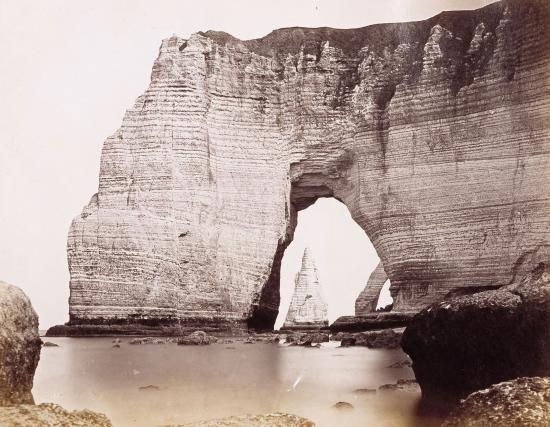
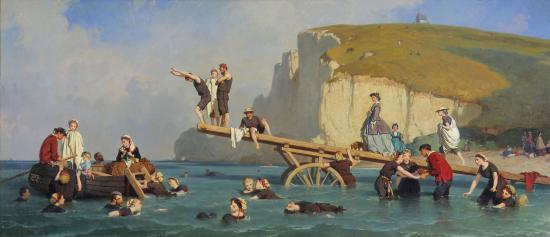
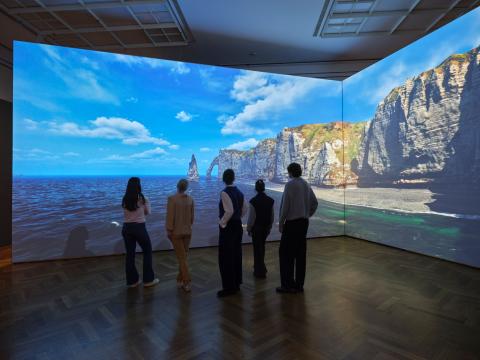
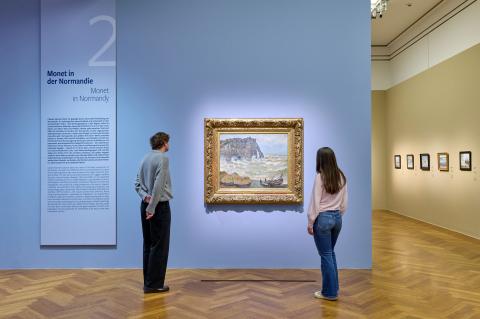
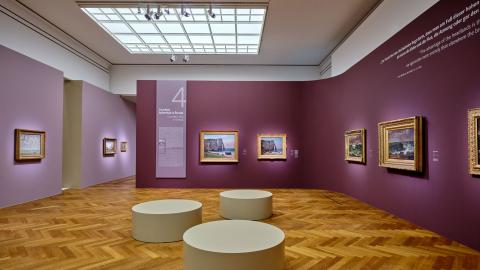
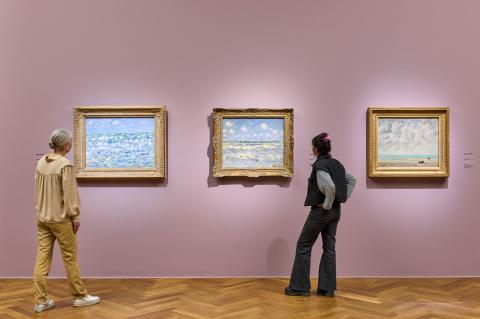
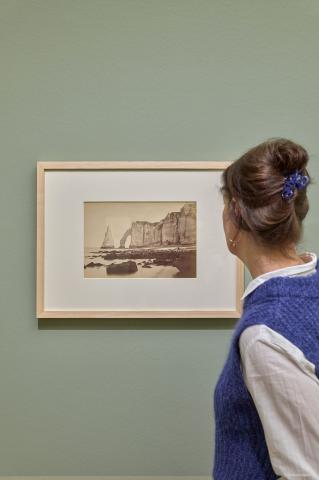
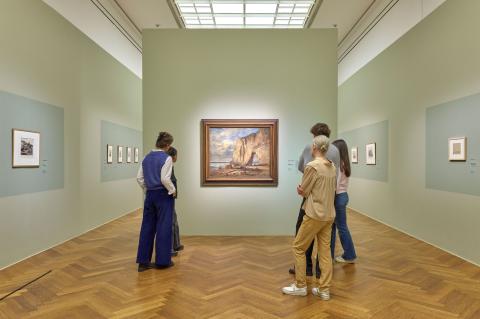
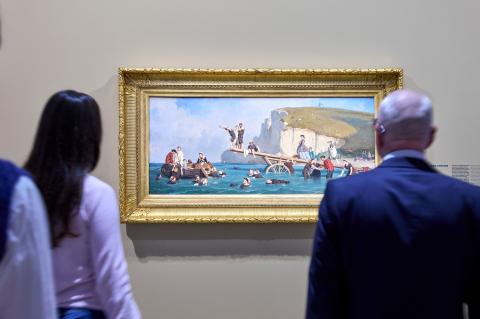
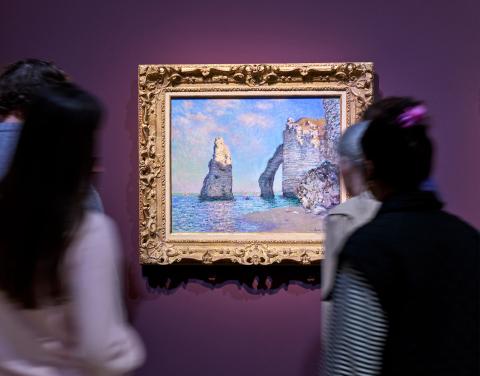
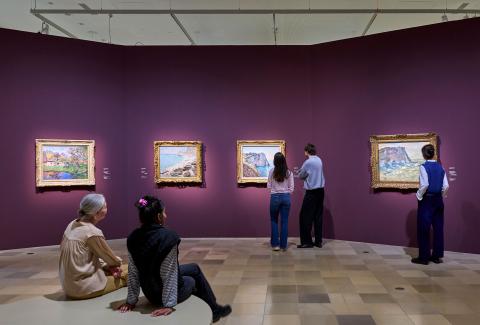
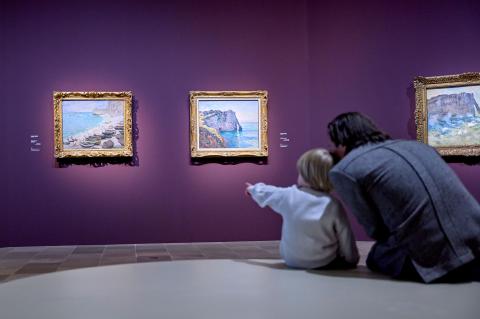
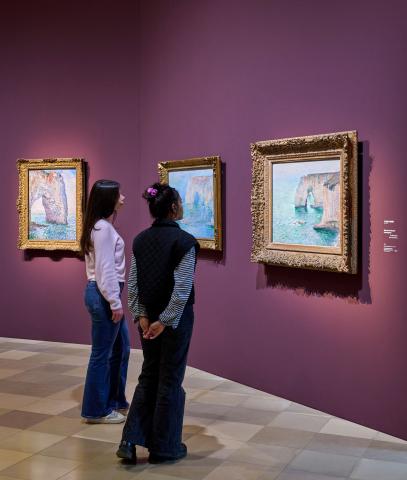
The coastal town of Étretat has become a myth—and continues to fascinate to this day. The cliffs of Étretat, located in Normandy on the Atlantic coast, captivated numerous artists in the 19th century. From 19 March to 5 July 2026, the Städel Museum will present a major exhibition dedicated to the artistic discovery of the former fishing village of Étretat and its influence on modern painting. Around 170 exceptional paintings, drawings, photographs and historical documents on loan from leading French, German and other international museums as well as several private collections will be on display in Frankfurt. Among them are no fewer than twenty-four works by Claude Monet.
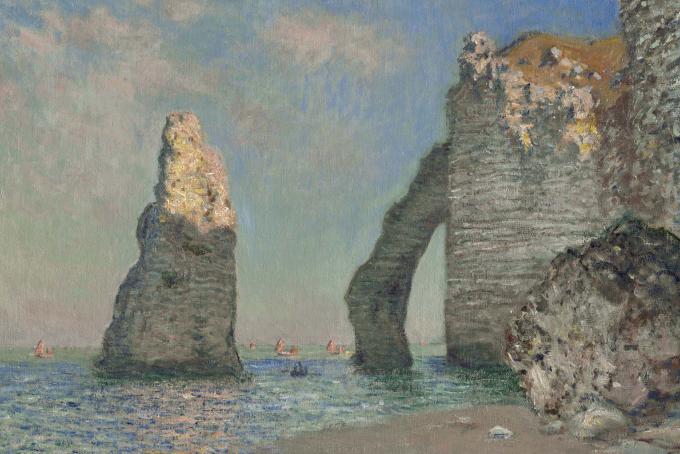
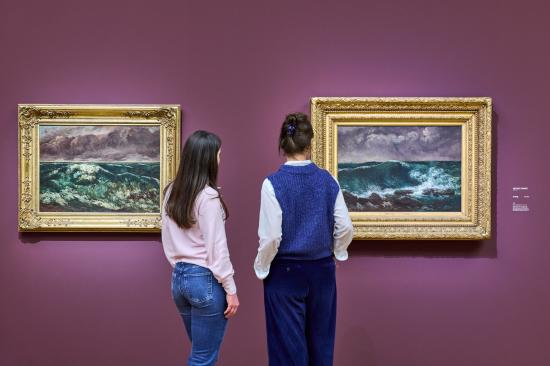
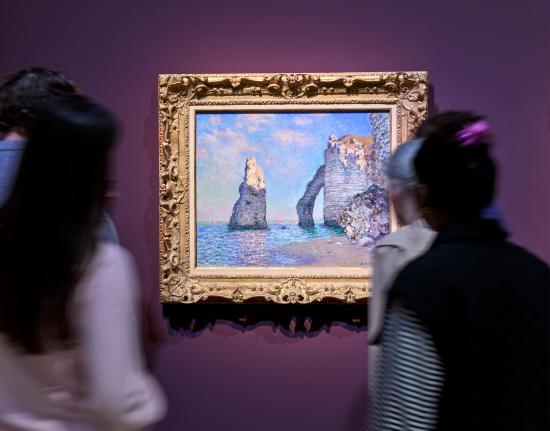
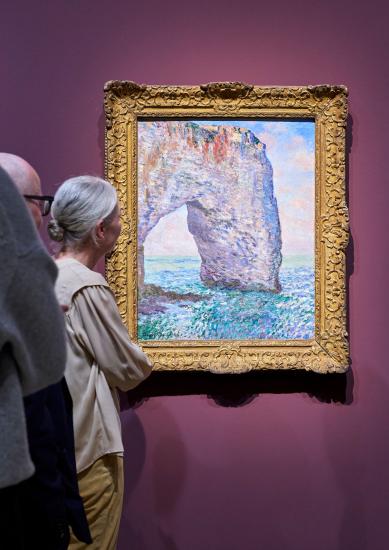
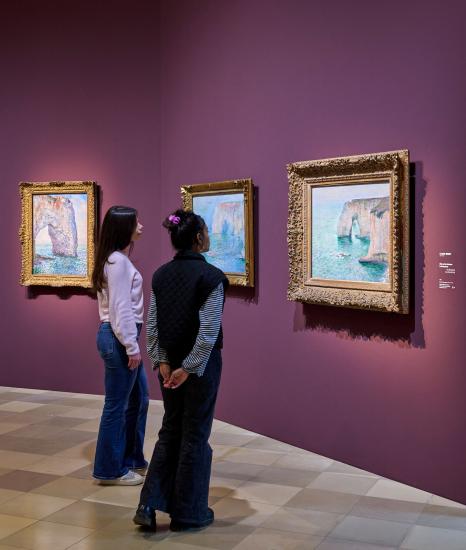
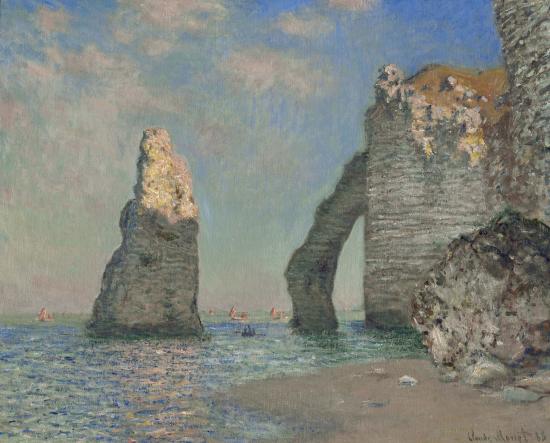
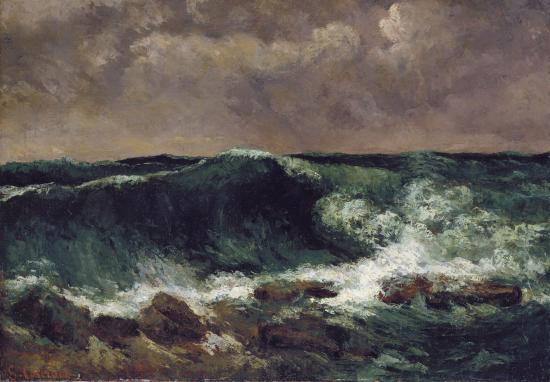
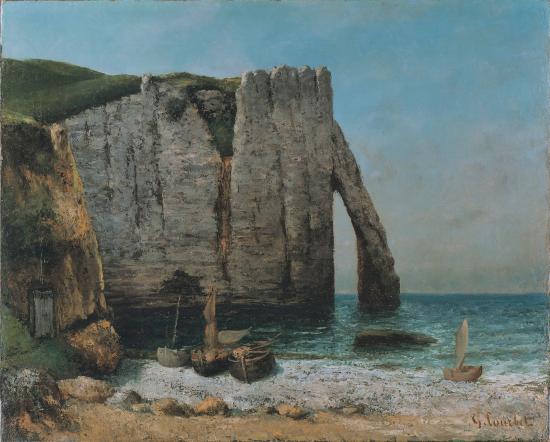
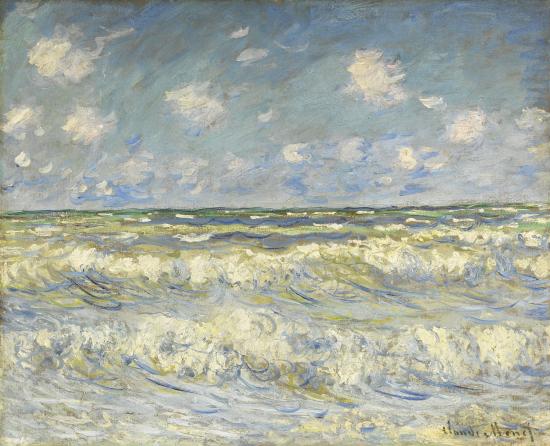
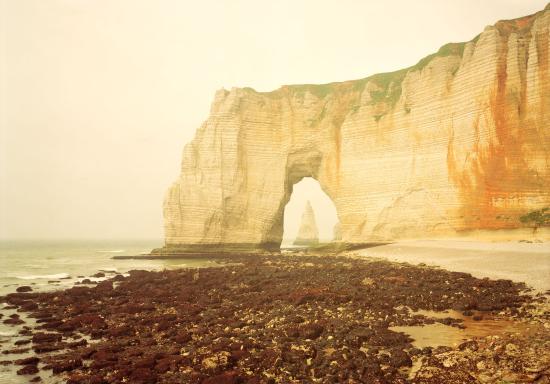
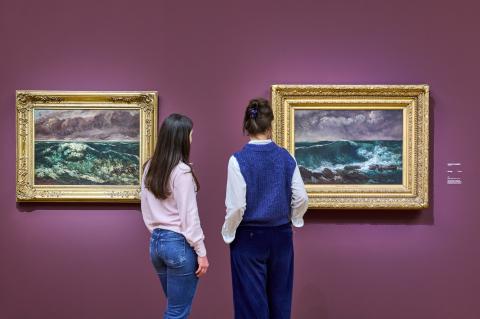
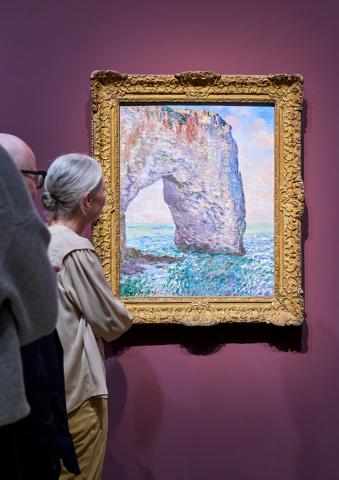
Étretat played an important role in the emergence of a new style of painting that went down in art history as Impressionism. The artists were particularly interested in the distinctive cliff landscape, which they found both excitingly beautiful and threatening. Painters and writers travelled to Étretat, and it was through their works that this remote place became famous beyond France’s borders. Following an increase in tourism around 1850, Étretat developed into a popular seaside resort and meeting place for artists, intellectuals and the Parisian bourgeoisie. Gustave Courbet painted his famous wave pictures here; Guy de Maupassant elevated Étretat to a place of longing in his writing; and Maurice Leblanc’s fictional gentleman thief, Arsène Lupin, hoarded his treasures here. The aspiring painter Claude Monet was so fascinated by the unique cliffs and their three rock arches—the Porte d’Amont, the Porte d’Aval and the Manneporte—that he dedicated several paintings to them. Impressed by the ever-changing light and weather conditions, Monet began painting series of motifs in Étretat for the first time, a working method that would later become his trademark.
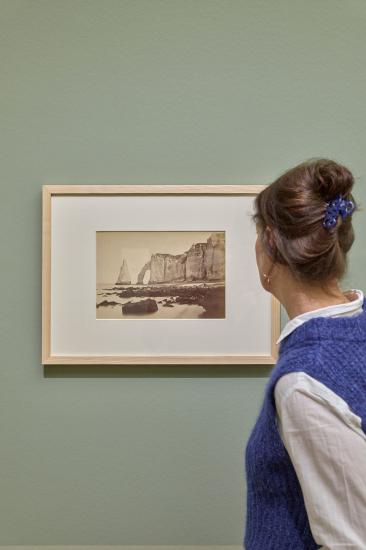
In addition to works by Eugène Delacroix, Gustave Courbet, Claude Monet and Henri Matisse, the exhibition brings together a host of other important figures in modern and contemporary art, including Johann Wilhelm Schirmer and Eugène Le Poittevin, as well as Camille Corot, Eugène Boudin and Elger Esser. Together, the works illustrate the enduring fascination that this place continues to exert to this day. Loans come from the Staatliche Museen zu Berlin, the Fitzwilliam Museum in Cambridge, the Metropolitan Museum of Art in New York, the National Gallery of Canada in Ottawa and the Musée d’Orsay in Paris, among others.
Philipp Demandt, Director of the Städel Museum, emphasizes: “With our major special exhibition in spring 2026, we are for the first time dedicating ourselves to exploring the emergence of the myth of Étretat. This coastal town, with its striking rock formations and unique light, has been a source of fascination for artists since the 19th century, and continues to captivate to this day. It was in Étretat that Claude Monet developed his famous serial depiction of motifs, which had a decisive influence on Impressionism. We are particularly proud that two outstanding works from the Städel Collection, which were created in Étretat, form the starting point of the exhibition: Monet’s Luncheon and Gustave Courbet’s The Wave. These are complemented by high-calibre international loans, including twenty-four works by Monet alone. We would like to express our sincere thanks to all lenders and our sponsors for their generous support. We look forward to exploring the enduring fascination of Étretat together with our visitors.”
“In the hundred years or so from Romanticism to Classical Modernism, the artistic view of the impressive coastal landscape around the small town of Étretat underwent multifaceted change. The spectrum ranges from atmospheric watercolour and oil studies to early photographs and Claude Monet’s famous paintings of the impressive cliffs. With its distinctive coastal landscape, Étretat was a magnet for artists of several generations. In collaboration with the Musée des Beaux-Arts de Lyon, it was a central concern of ours to place Courbet’s epoch-making wave paintings and Monet’s serial landscape paintings in a broader context and to highlight Étretat’s significance for modern art,” explain Alexander Eiling and Eva Mongi-Vollmer, curators of the exhibition at the Städel Museum.
Curators: Alexander Eiling (Head of Modern Art, Städel Museum), Eva Mongi-Vollmer (Curator, Städel Museum), Stéphane Paccoud (Conservateur en chef, Peintures et sculptures du XIXe siècle, Musée des Beaux-Arts de Lyon) and Isolde Pludermacher (Conservatrice générale peinture, Musée d’Orsay, Paris) in cooperation with Eva-Maria Höllerer (Curator, Städel Museum) and Nelly Janotka (Assistant Curator, Städel Museum)
Sponsored by: Fraport AG, Fontana Foundation, Städelscher Museums-Verein e.V., City of Frankfurt am Main – Department of Culture and Science
Marketing and Media Partners: Alnatura, Ströer Deutsche Städte Medien GmbH, Elisabethen Quelle, Frankfurter Allgemeine Zeitung, arte
You can find the full press release here as a PDF.













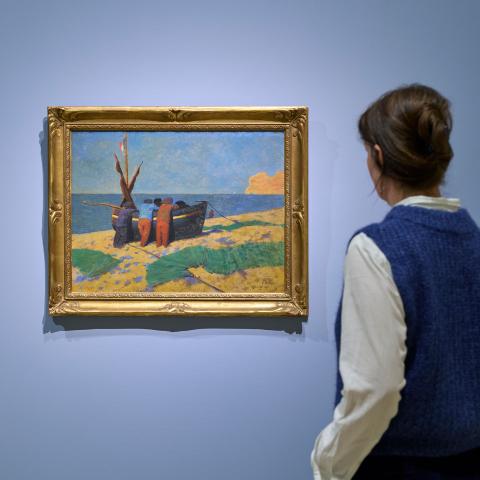


 29.04.2026: Elmgreen & Dragset. Stillleben mit Gemüse | Jetzt im STÄDEL
 09.04.2026: Monets Küste. Die Entdeckung von Étretat | Jetzt im STÄDEL
 13.02.2026: Get ready for this outstanding exhibition highlight in Frankfurt!
 11.02.2026: Teaser – Monets Küste. Die Entdeckung vom Étretat im Städel Museum
 14.01.2026: 🎒 Carl Schuch on the road!
 11.12.2025: Beckmann
 10.12.2025: Gastkommentar: Kunst und Bakterien
 29.10.2025: Lasst uns reden – Städel Gespräche | Museum – ein Ort für Demokratie?
 10.10.2025: Carl Schuch und Frankreich
 19.09.2025: Lasst uns reden – Städel Gespräche | Die Macht der Bilder